

The US-China Truce Faces Destabilization
New red lights are flashing

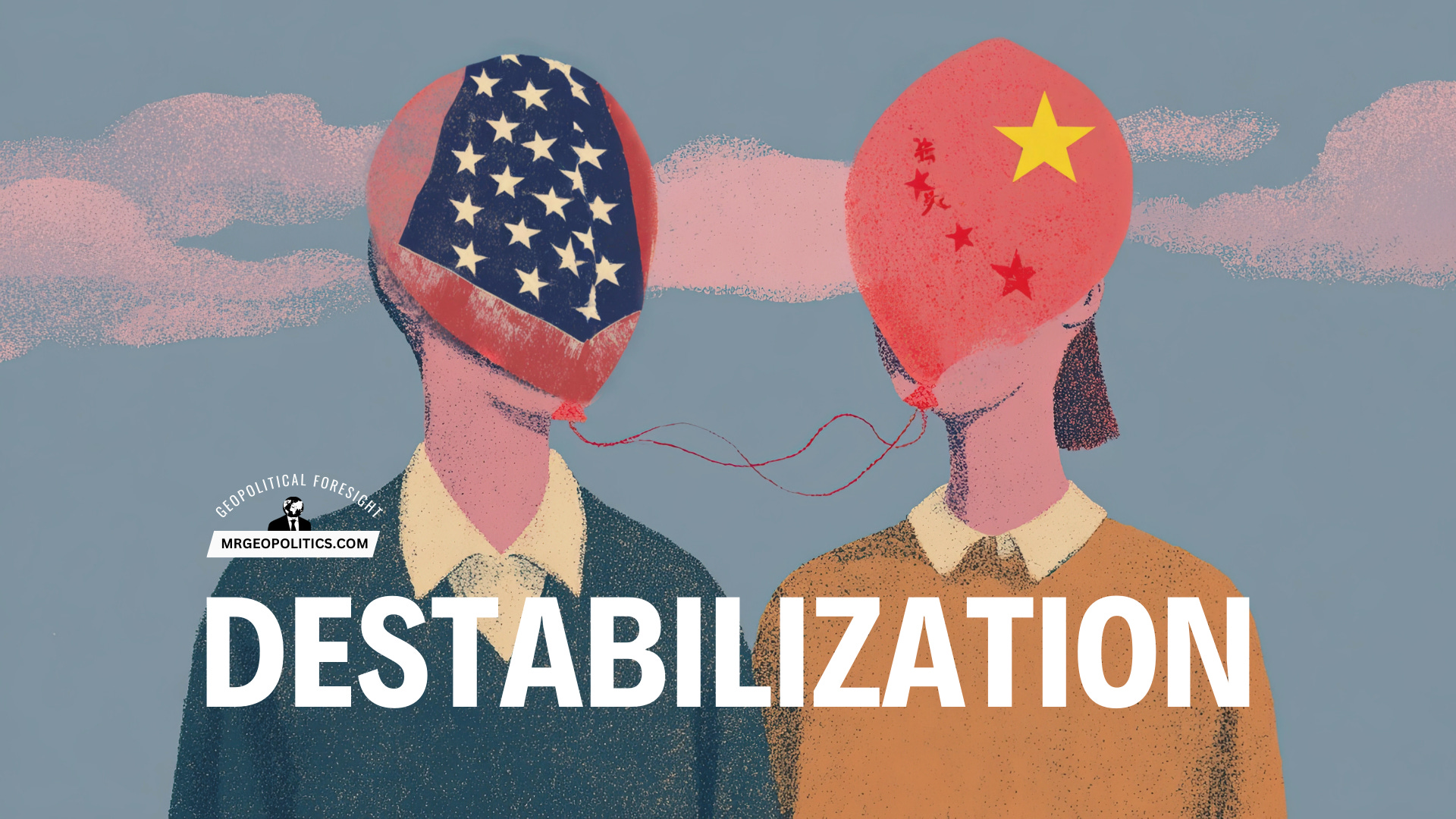
Since October 2025, when the US and China struck their fragile Busan truce, the world’s most important relationship has been under a “geopolitical siege.” The $11 billion US-Taiwan arms deal, inked in December, the largest on record, almost capsized the truce. The ongoing clash between China and Japan, including Beijing’s latest move to restrict dual-use exports to Tokyo, which includes rare earths, threatens to draw America onto the battlefield at any moment.
As the siege tightens, some data points indicate the US-China agreement remains resilient. At the end of 2025, China had purchased two-thirds of the 12 million soybeans it promised America, a huge boost from November, when it had only bought 330,000 tonnes. On the other end, the US has approved the sale of advanced AI chips, like Nvidia’s H200, to the Chinese market, a reversal from the previous years of US technology controls on China, including the tiered-chip trade model proposed in the final days of the Biden administration.

Three Iran Woes
However, suddenly, the US-Iran tensions, along with China’s new position on American chips, may break the camel’s back.
The Iran situation alone is deeply complicated and layered, drawing in tariffs, energy, and connectivity.
#1
First, US President Donald Trump has imposed a 25% tariff on all Iranian trade partners. Any nation that trades with Iran will have to pay an additional 25% duty when selling into the US market. China faces the biggest fallout as it is Iran’s largest trading partner.
Consider that as of December 2025, almost every Chinese good sold in America is subject to a 35% to 45% tariff. Add the new 25% levy, and suddenly, some Chinese goods face a 70% tariff!
This alone will anger Beijing. It could apply a counter-tariff, responding with tit-for-tat. Suddenly, the US and China could find themselves in a fresh tariff fight over Iran. Of course, as Trump pauses military action against Iran, the Iranian tariff threat may quietly disappear.
#2
Second, 80% to 90% of Iran’s oil goes to China, through a complex network of shadow traders, shippers, and payment mechanisms. Unlike Venezuelan oil exports to China, which are not critical to Chinese energy security, Iranian oil accounts for around 12% to 15% of China’s total oil imports. This makes Iran critical to Chinese energy security.
If the regime in Tehran collapses and the Ayatollah flees to Moscow, this energy supply chain gets severed. The next government may not honor Chinese contracts, including China’s project to develop part of South Pars, the largest natural gas field in the world. The Chinese access to Iranian energy could disappear if US military action collapses the regime, creating new friction between the US and China.
#3
Third, and connected to energy, is Iran’s vital role in China’s broader geostrategy, namely the Belt and Road Initiative (BRI).
The BRI was at the center of China’s 25-year deal with Iran and pledge to invest up to $400 billion in the country. While hundreds of nations are part of BRI, some are highly strategic, key links in Beijing’s push to reshape Eurasian trade from sea to land. Iran is one of these pieces.
One of China’s key non-Russian trade arteries to reach Europe passes through Central Asia, into Iran, Turkey, and finally into the Balkans. Revolution or regime change in Iran literally paralyzes China’s BRI strategy, keeping control of global trade in the hands of the US through control of maritime shipping lanes.
China Rejects Tech
The Iran situation is one squeeze. The other is China’s unexpected decision to curb imports of Nvidia’s H200 chip shortly after America restarted sales.
Out of the blue, Chinese customs agents are reportedly telling trade brokers that Nvidia H200 chips are prohibited from entering the nation. Add to this, Beijing is mulling a policy that would force local firms that buy American AI chips to also buy an unspecified number of Chinese chips, linking imports with self-reliance.
Technology has been the main arena between the US and China for several years. Yet, it has always been Washington clawing back critical technology that China needs. Now, however, it is China effectively rejecting what the US is offering on a silver platter.
There are several reasons why China is doing this. The biggest is deep anger that America is reserving its most powerful chips for itself or close allies, and instead offering China downgraded chips.
Equally important is that China may feel it can squeeze America. Reject H200, disrupt Nvidia, and create panic in the White House that China is establishing new trade walls just months before Trump’s state visit to the country. Behind closed doors, the US may offer China more, a new kind of appeasement in China’s logic.
None of this is guaranteed. By halting H200 chips, China has taken a step that could blow the truce out of the water, denying American goods access to the Chinese market. It is a public rejection of Washington. The question now is whether Trump looks past this jab or views this as crossing a technology line. Is the flow of semiconductors more important than broader trade stabilization? Or, is the flow of semiconductors the broader trade stabilization?
Vicious Cycle?
The US-China relationship is bruised. The prognosis is grim. Yet, somehow it has continued to progress and stabilize in the past two months. This, however, could soon end. There are far too many friction points for the US and China to remain friendly. The old (i.e., shipping fees, pressuring Panama) is overlapping with the new (i.e., Taiwan, Japan, H200), surrounded by powder kegs threatening to explode (i.e., Iran).
As US military forces surge into the Middle East, the coming weeks will not just define the future of Iran, but also the future of the US and China.
If either side feels its interests have been jeopardized, the cards will fall. If either side feels the other is gaining the upper hand, another chess piece will be moved. If either side feels a detente is no longer worthwhile, the world could be dragged back in time.
But unlike in the past, when the US and China clashed, and truces and off-ramps remained possible, the next confrontation may have everybody believing that sustained conflict is the only option.
-Abishur Prakash aka “Mr. Geopolitics”

Mr. Geopolitics is the property of Abishur Prakash/The Geopolitical Business, Inc., and is protected under Canadian Copyright Law. This includes, but is not limited to: ideas, perspectives, expressions, concepts, etc. Any use of the insights, including sharing or interpretation, partly or wholly, requires explicit written permission.