

What Happened In Bulgaria?
The message of "Operation Gen Z"

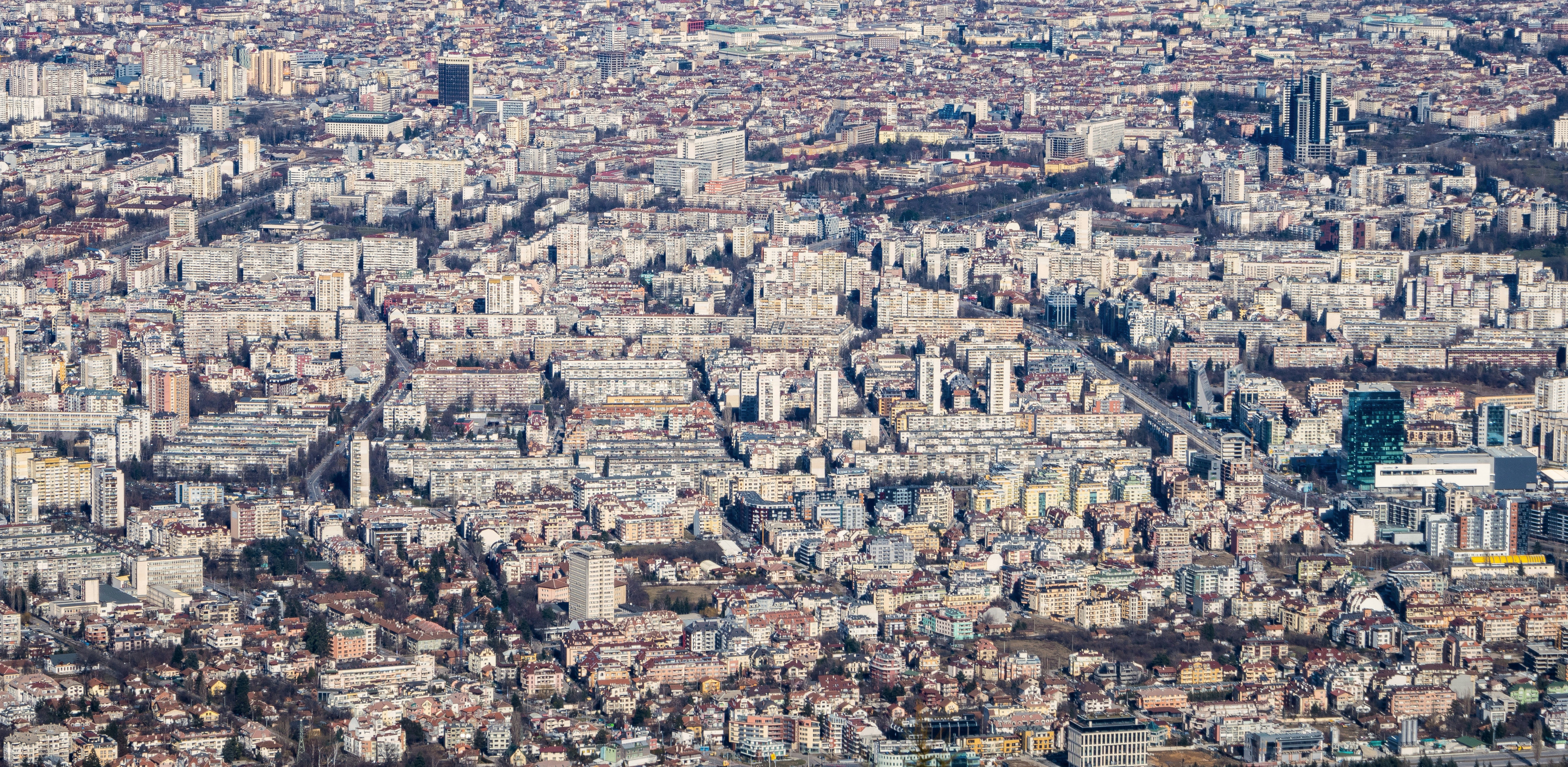
Toward the end of 2025, during a brief lull in geopolitics, Bulgaria was turned upside down.
At the end of November, a 2026 budget proposal to raise taxes to fund more public spending sparked protests in Sofia, the capital. On December 2, the government repealed the budget, yet the snowball effect had begun. The protests spread to 20 cities, with hundreds of thousands taking to the streets to rally against corruption and graft and demand change. Regardless of what the government did, the movement could not be quelled.
The end result: the entire Bulgarian leadership (cabinet) resigned, along with the nation’s prime minister, Rosen Zhelyazkov.
The massive political upheaval took place weeks before Bulgaria would join the eurozone on January 1, 2026, paving the path for full membership down the line.
Angry Gen Z
At the core of the protests was Gen Z, from teenagers in high school to young adults, all of whom are angry at government paralysis on the most important issues. One protestor, a high school student, had created an interactive map that showed road accidents and inadequate road safety throughout Bulgaria. Legislation to fix roads had moved slowly. Meanwhile, Bulgaria passed a ruling on assets from Lukoil, a Russian energy company, in just 26 seconds.
A massive movement, led by Gen Z, toppled the Bulgarian government. And, strangely, a similar episode had already occurred in Nepal many months earlier.
But Bulgaria’s situation is different.
Final Say
To start with, it comes on the heels of several elections in Europe in 2026, in particular, the Hungarian election on April 12. The outcome could have a sizable impact on European geopolitics, as Hungary has been locking horns with Brussels under the leadership of Viktor Orban, like on Ukraine aid. Should Orban lose the election to Peter Magyar, the main opposition figure, Hungary’s geostrategy is likely to also change. Now, the “Bulgarian factor” comes into play. The elections in Hungary, along with Sweden (September 13), Slovenia (March 22), and others, could make the voice of Gen Z louder than ever. The outlook of the next generation may determine who wins the next European elections, a tidal wave that has been rising in Germany as young right-leaning voters push groups like AfD to the front.
Behind this, a new showdown is looming between Gen Z, who want radical changes, and older generations, perhaps including millennials, who may seek to shield the status quo.
Next Explosions
In tandem, elections aside, Europe has been awash with social turmoil. Just last year, the “Block Everything” protests rocked France, where radical calls appeared like creating an artificial “run on the banks.” Now, in Spain, another social explosion may be around the corner as Madrid moves forward with two controversial ideas at the same time: granting amnesty to 500,000 illegal migrants, and in tandem, blocking social media for under-16s.
Such moves could trigger Gen Z in cities across Europe, either forcing no-confidence motions (and snap elections) or paralyzing societies and economies throughout the continent. The new headache for European governments may no longer just be lagging competitiveness or America’s new unpredictability. It may also be the hangups and frustrations of Gen Z, who refuse to stay quiet, and who sit on either side of the political spectrum.
The situation in Bulgaria is far from over. A new government must be appointed. And unless permanent changes are made to corruption and graft, Bulgaria’s Gen Z may be back on the streets faster than most realize.
What Bulgaria’s situation shows is that Gen Z outrage is no longer solved through optics or lip service. Governments are crumbling. Societies are freezing. Gen Z is changing how nations function. The ultimatum in front of the political class is to heed what the next generation wants or be prepared to battle with their own citizens.
-Abishur Prakash aka “Mr. Geopolitics”

Mr. Geopolitics is the property of Abishur Prakash/The Geopolitical Business, Inc., and is protected under Canadian Copyright Law. This includes, but is not limited to: ideas, perspectives, expressions, concepts, etc. Any use of the insights, including sharing or interpretation, partly or wholly, requires explicit written permission.